

Above the regular ads, above the Map Pack, above everything, sits a row of businesses with a green checkmark.
Google vouches for them. And customers call them first.
Those are Local Services Ads, the Google Guaranteed program, and for the trades and services Google covers, they are some of the highest-intent leads money can buy.
Here is how the program works, how to get approved without friction, and how to run it so you only pay for leads that deserve the invoice.
See how your listing stacks up before you spend a dollar on ads
LSAs are the sponsored results at the very top of the page for service searches: plumbers, lawyers, electricians, cleaners, contractors and a growing list of verticals.
The green checkmark means Google has verified the business: licensing checked, insurance confirmed, background screening passed.
That badge does the trust-building a stranger’s website never could, which is why these boxes pull calls even from people who never scroll further.
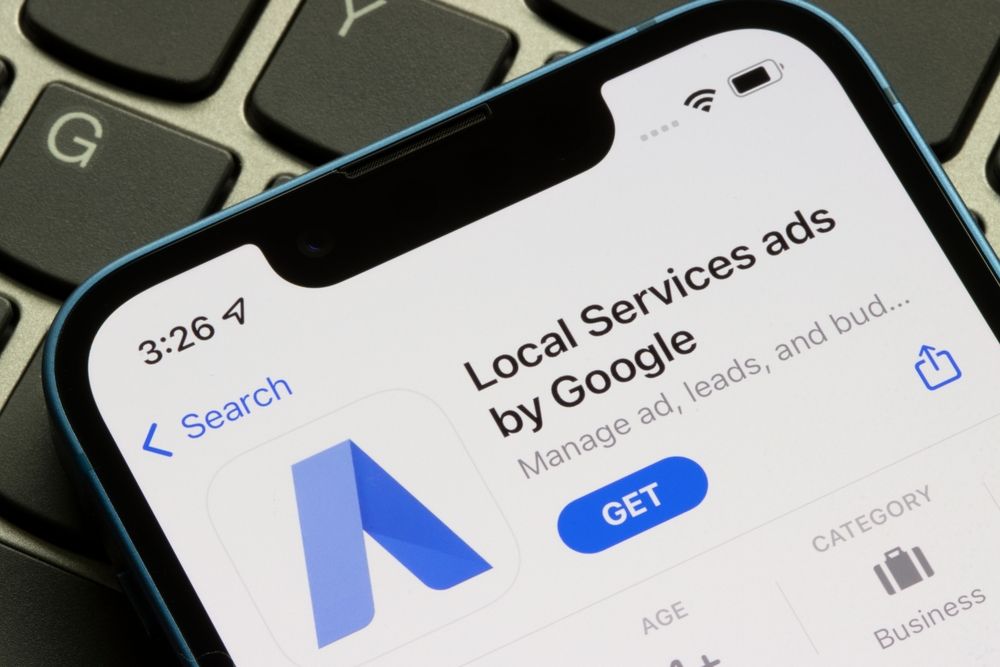
This is the structural difference from regular ads. Standard campaigns charge for every click, qualified or not.
LSAs charge per lead: an actual call or message from a customer in your service area asking about a service you offer.
And when a lead is junk, a wrong number, spam, a service you do not provide, you can dispute it and get the charge credited.
You are buying conversations, not traffic. For a service business, that changes the entire economics.
- Setting Up Your Account
Search for the Local Services Ads program, check eligibility for your category and area, then build the profile.
The details that prevent headaches later:
- Business name and registration exactly as they appear on your official paperwork
- A real, visitable address; the program verifies legitimacy, so this is no place for shortcuts
- A dedicated tracking number as your business phone so you can attribute every lead
- Service areas chosen deliberately: the towns and counties you genuinely want jobs from
- Only the service types you actually offer, selected carefully; every box you tick is money
Check your own data before picking areas. Where your existing customers and conversions already come from is where your ads should point first.
Agencies managing multiple clients should run everything under a manager account from day one.
Approval requires proof of insurance, license details where your category demands them, and a background check for the owner.
Have the documents ready before you start and the process is quick. One practical note for businesses with field staff: every worker you list may be screened as well, so many operators begin with the owner only and add verified staff later, keeping approval fast and the ad running while the team churns.
Win the organic side while your ads run.
- Optimizing Your Profile and Budget
Once live, the profile deserves the same care as your Business Profile: complete bio, current photos, accurate hours that match everywhere else your business appears, and the business status toggled honestly so you never pay for leads you cannot take.
On budget, start with the maximize-leads setting and a healthy weekly cap, then let the data teach you what a lead is worth before you ever set a manual cost per lead. Capping too early on no data starves the campaign of the volume you need to learn anything.
Run a dedicated tracking number for the campaign so every call is recorded, tagged and attributable. Review the leads weekly: real inquiries get worked, junk gets disputed with the reason documented. Two rules keep this healthy.
Dispute honestly, because the credit system runs on trust and abusing it risks the account. And answer fast, because a lead you missed is a lead you paid for and handed to the next name down.
You are paying for conversations. Answering the phone is the highest-ROI optimization in the program.
- How LSA Ranking Really Works
When budgets match, Google decides who shows first on reputation: review count and quality, responsiveness, profile completeness, time in business.
Which means your review engine is now doing double duty, powering both your organic Map Pack position and your paid placement. The businesses that dominate LSAs are almost always the ones that treated reviews as a system long before they ever ran ads.
These two are not separate channels. Your LSA pulls its reviews straight from your Business Profile, and a customer who sees your badge at the top will often meet you again in the Map Pack below it.
Two placements, one search, one impression of a business that is everywhere. Run the paid layer for immediate calls, keep building the organic layer that works while you sleep, and let each one make the other cheaper.
Build the organic engine behind your paid leads
- GMB Crush Takeaways
- LSAs charge per qualified lead and carry the Google Guaranteed trust badge
- Set up with exact registration details and a dedicated tracking number
- Start on maximize leads; only set manual lead costs once data exists
- Dispute junk leads honestly and answer real ones immediately
- Reviews drive LSA ranking, so your organic review system powers your ads too